
All I can say about the past two weeks….Gee, that escalated quickly! As a genealogy librarian, this post contains a special message designed to further your research while supporting libraries in this difficult time. You see, for the past week, our historical society and library staff have been assessing, planning, re-assessing, and taking steps to provide service while keeping patrons and staff safe. It is a very tricky balance. Many reports you are getting include multiple notices of libraries closing down for the next few weeks, if not months ahead. These actions, while important for the safety of all, are worrisome for libraries as they continue to fight for funding and live in a world that makes them justify their existence despite their priceless (and proven) service to the community. As all of us look for ways to support local businesses and restaurants who may suffer during this time, please remember the libraries. What can we do if they are physically closed? Take your support virtual.
 Those Statistics Matter!
I know this time at home is allowing us to catch up on organization, DNA matches, genealogy lessons, and reading. Time well spent. But just because the libraries may be closed to on-site visitation, does not mean they are closed to your research. Pay close attention to their websites. Most library websites will remain live – which includes databases you can use from home. As so much library funding is based on usage statistics, PLEASE keep those online numbers coming over the weeks/months ahead! We need them, and we WILL be counting them!
Keep Researching!
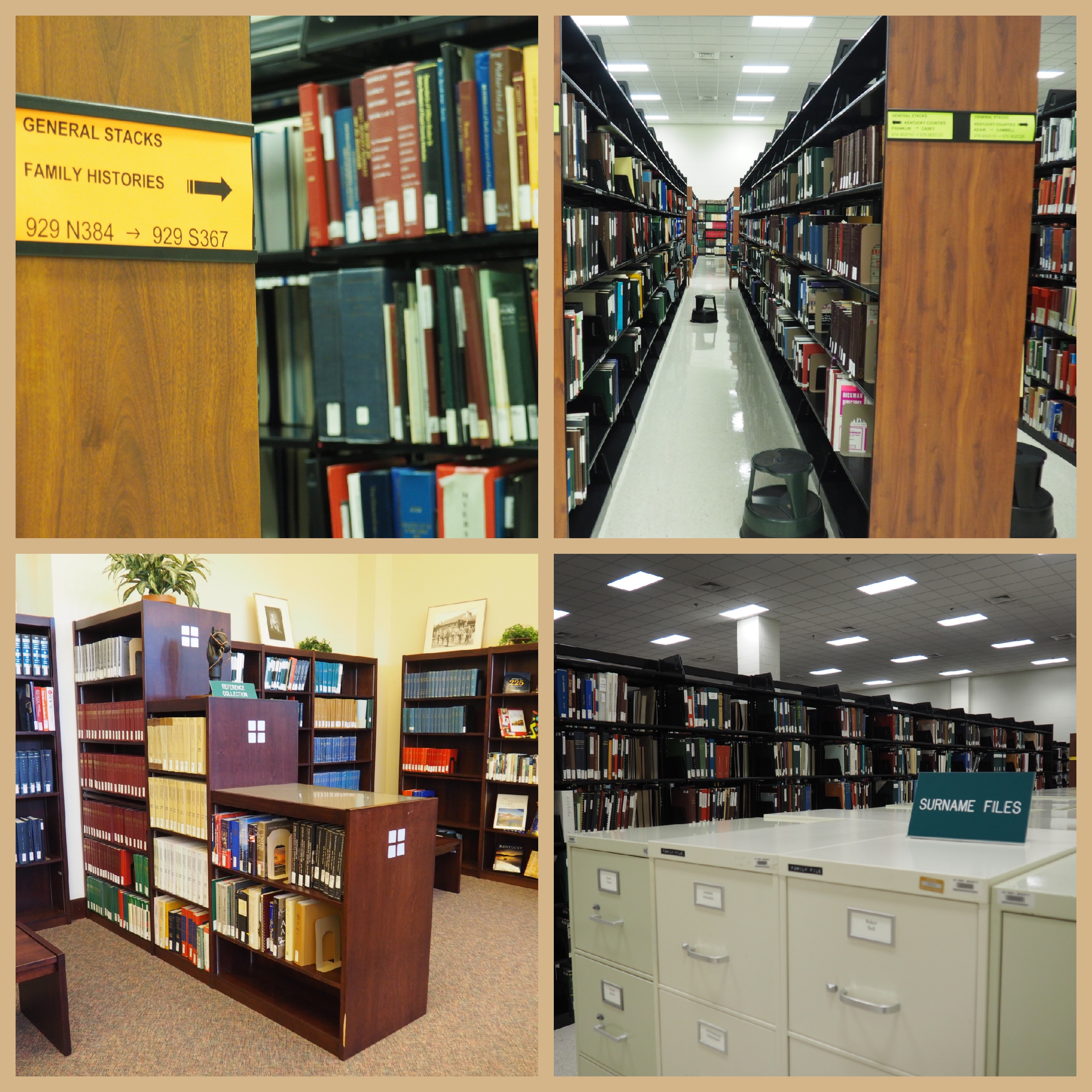
 There are currently many libraries out there who are closed to patrons, with staff still reporting. What exactly will they be doing with a library devoid of patrons? They will be purchasing books, cataloging them, planning future programming, providing virtual reference/programs, some curbside book delivery, digitizing material, and maintaining those databases we can use from home. And the databases themselves are VERY diverse in what they can offer your research:
- E-Book Circulation: If you have an active public library card, you can check out e-books for free! So many titles, only one pandemic – use it wisely!
- Interlibrary Loan: This MAY be possible depending on whether your library is being staffed. Even if they are not borrowing books, they may lend out material – and don’t forget articles – they can obtain and deliver articles to you electronically.
- Digital Archives: SO many archives out there have digitization programs which post new content online for free. The catch is – many archives host their digital content in various platforms – meaning that each one may look a little different, or may be hiding in areas of a website that are not naturally intuitive. Take your time, and look through all of their database offerings – you may find a rich supply of primary sources on a local level.
- Genealogy Databases: Most of us already know about the free databases our library card can get us – but these are expensive for libraries to provide – don’t forget to use them during this hiatus from regular activities.
 Note About ArchiveGrid:
Most of you use this wonderful tool to search out local archives research. While this is a great tool – please be aware that this DOES NOT include every archive out there – far from it. This began as a subscription based database for libraries/archives. They previously had to pay a subscription in order for their archive to be included in this platform. Today, they claim that the entries are generated through web crawling of archival websites and finding aids – but when looking at their map, it is only a fraction of the great archival websites out there. For my state, they only include 15 archival repositories – and I happen to know there are close to a hundred more. Solution: Start with ArchiveGrid to look for regional/local archives, but when you see location holes, conduct a general internet search for an archive or archival collection that may apply to your region/location of interest – and don’t forget to look at every county public library website – several have history rooms with online content available. While the vast majority of smaller archives may not have been caught by ArchiveGrid, they can afford a website, many with digitized material. Boost their stats by visiting these sites often.
Internet Archive and HathiTrust:
While at RootsTech a couple of weeks ago, I listened to one of Judy Russell’s talks about copyright and the new content available with each new year. She physically demonstrated how much content was newly available now that 2020 had arrived. The result was thousands of new titles digitized and available – and full text searchable – through these great sites. Both of these sites are non-profit library connected sites and stay viable through usage. Google Books – while not library connected per se, utilizes library collections for their digitization efforts, and should also be used for your pandemic down-time research
 Time to Fill in that Local Context:
Again, I cannot reiterate enough the importance of taking virtual tours through the local historical societies, public libraries, colleges, and museums. Many offer free content that you can use from home to beef up the contextual knowledge/research you have about an ancestor’s place of residence or origin. Explore, gather info, and map out some of the information you find. I also encourage you to explore localities through the Library of Congress online offerings – and even the National Archives. I could go on – but time to explore and find great resources for yourself!
My Current Situation:
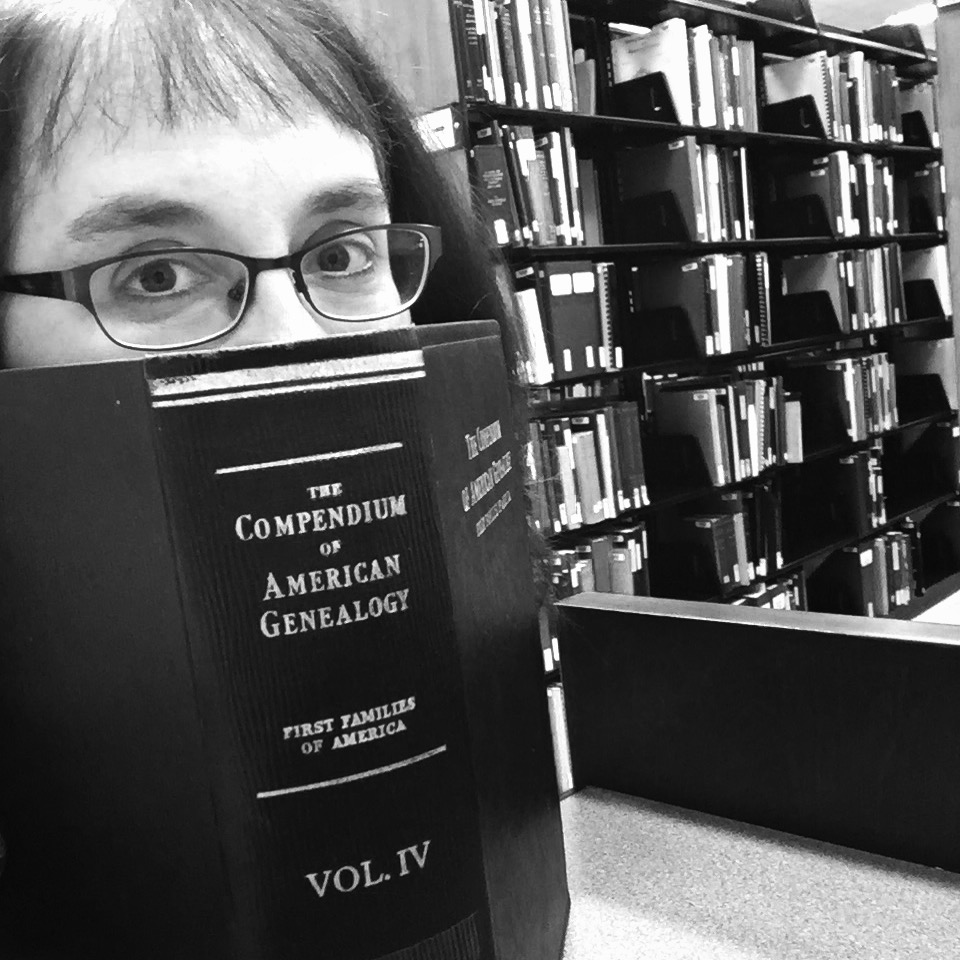 As of today, my library is closed to on-site visitors but our staff is reporting to maintain reference chains of communication. We will continue to answer phones, assist researchers via email, fill research orders submitted by mail, fill interlibrary loan requests, conduct programming research, and produce educational material from time to time. Of course, this may change in the future, but we will be tackling each day in its turn. Even if they close our doors fully, I anticipate continuing email and phone reference. And PLEASE, continue to use our free online databases/catalogs! We will continue to count those statistics, and every little bit helps.
As a library/archives professional who has worked in libraries for over 30 years, this is the craziest disruption of service that I have ever encountered. And that includes the time we thought cornmeal dust in a book shipment was anthrax in the months following 9/11! We can get through this, but my most fervent advice remains: PLEASE REPEAT the above as much as possible over the next weeks/months! We do not know how long this situation will last, so please remember to show our libraries and archives some CONSISTENT virtual love!
 I lost almost 20 pounds, gradually, and even with the weather change, I have not gained anything back, and will gently continue my efforts to get out more, and look for opportunities to enhance this healthy alteration; Being gentle with myself, and not harsh when I take a break or indulge in a guilty treat – celebrating by encouraging myself to continue the good work, instead of internally chastising for a missed step. This approach is also a good rule of thumb concerning our research efforts – be gentle with ourselves, and celebrate our accomplishments along the way.
 Another area that caught my attention in 2018 was the amount of clutter in my home. With each house cleaning session, I made a point to throw away or remove via donation, a small amount of items which held no further meaning, neither intrinsic nor sentimental. Over the course of the year, I made 5 carload trips to Goodwill, and disposed of 7 large trash bags of paper junk. The end result: I was finally able to settle all of my family archives into their proper housing containers, and should any emergency occur, I can lay my hands on a few small boxes with the most important items. Now, when someone asks for a copy of a photo, I can go right to the proper location and digitize at will.
 With the above accomplishment that evolved over the course of 2018, and while preparing similarly relevant material for my talk at
  A sharing lifestyle is fluid and looks for a variety of sharing opportunities. My upcoming session at
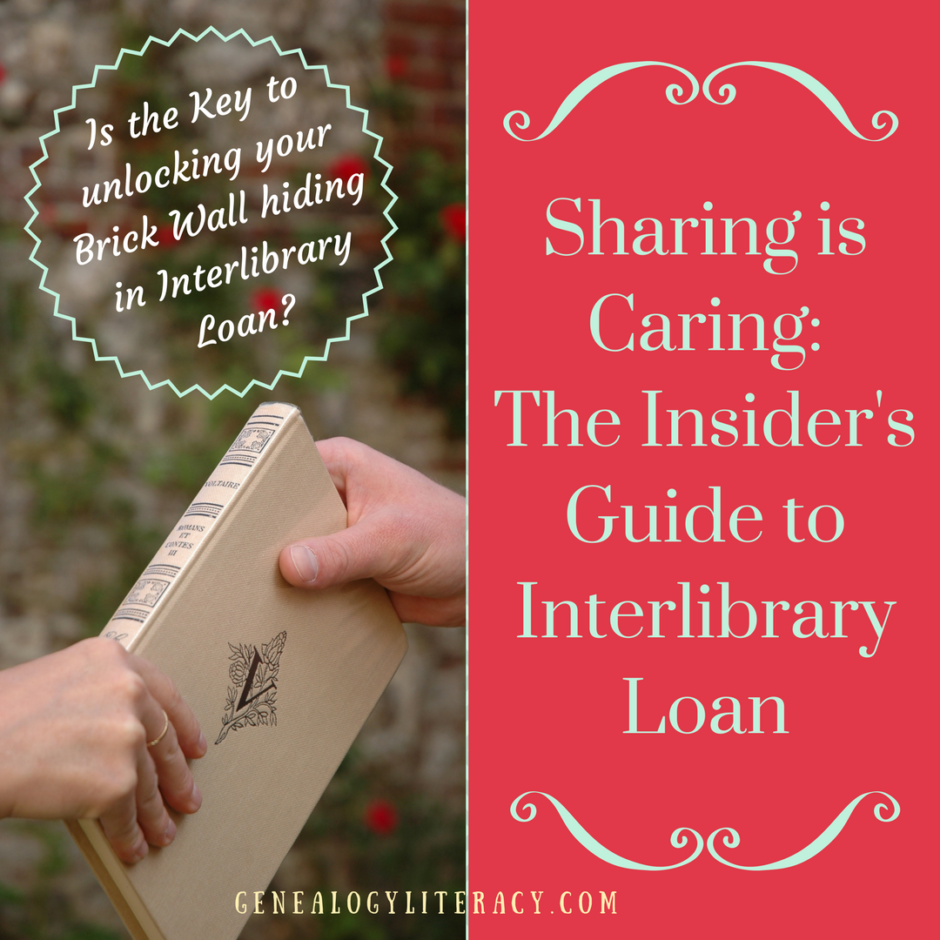
 It’s quite a mouthful: Interlibrary Loan. But it would be wise to remember this phrase as it could be your new best friend!
 Tip #1: Remember these terms: Borrower and Lender. They are exactly as they sound, but the Borrower is not you – you are the patron or customer and the library borrowing on your behalf is the Borrower. The lending library is the Lender. Contrary to perceptions, the ILL transaction is a contract between the two libraries – NOT between the patron and the lending library. This way, both parties agree to certain standards during the transaction, even if things get damaged or lost in the mail, there is already a protocol in place to resolve the situation.
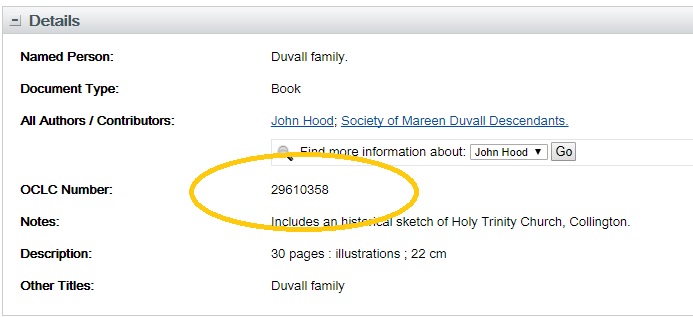
 Tip #5: If you borrow a book through ILL, READ IT – and do not dawdle! ILL books will usually arrive with a generous loan period of around a month, but many do not allow renewals. So, get cracking on that title once it comes in!
 I am writing this post with gritted teeth and a fake smile upon my lips – retaining a professional demeanor in the face of such a dangerous fallacy can be almost impossible. But I promised you undiluted genealogy – and here comes test case number 1! Quick – go get a cup of tea before reading further!
 I was recently told a scary story (just in time for Halloween) about the construction of a new county courthouse – the locals in charge of building said courthouse, decided to opt for a closet sized research table to access records, because “No one conducts onsite research anymore – it’s all available on Ancestry!”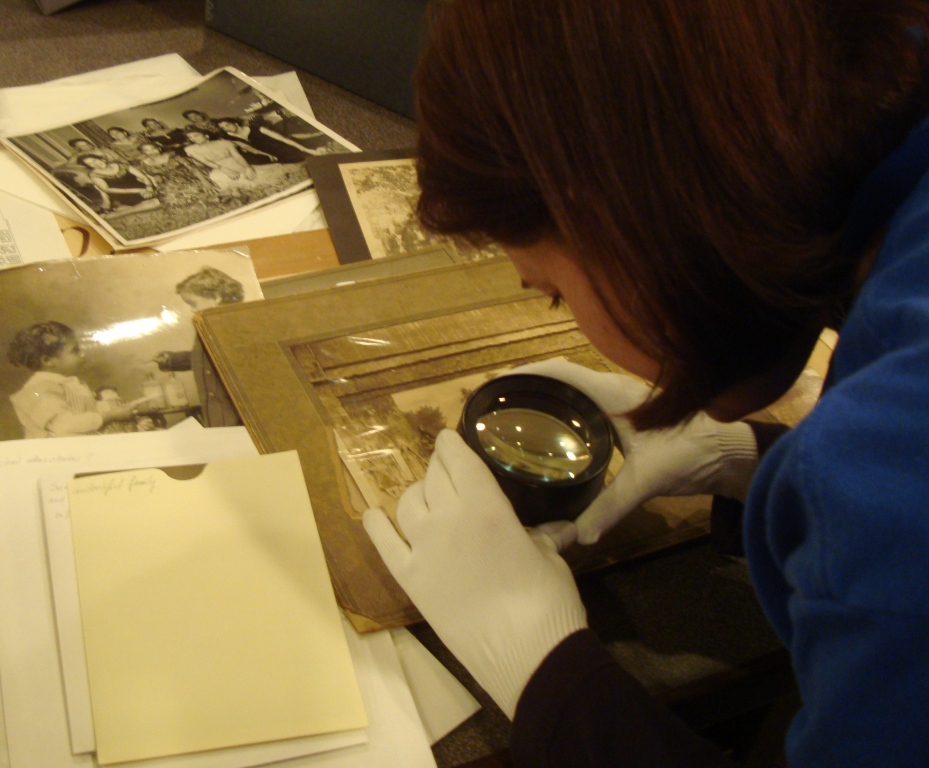
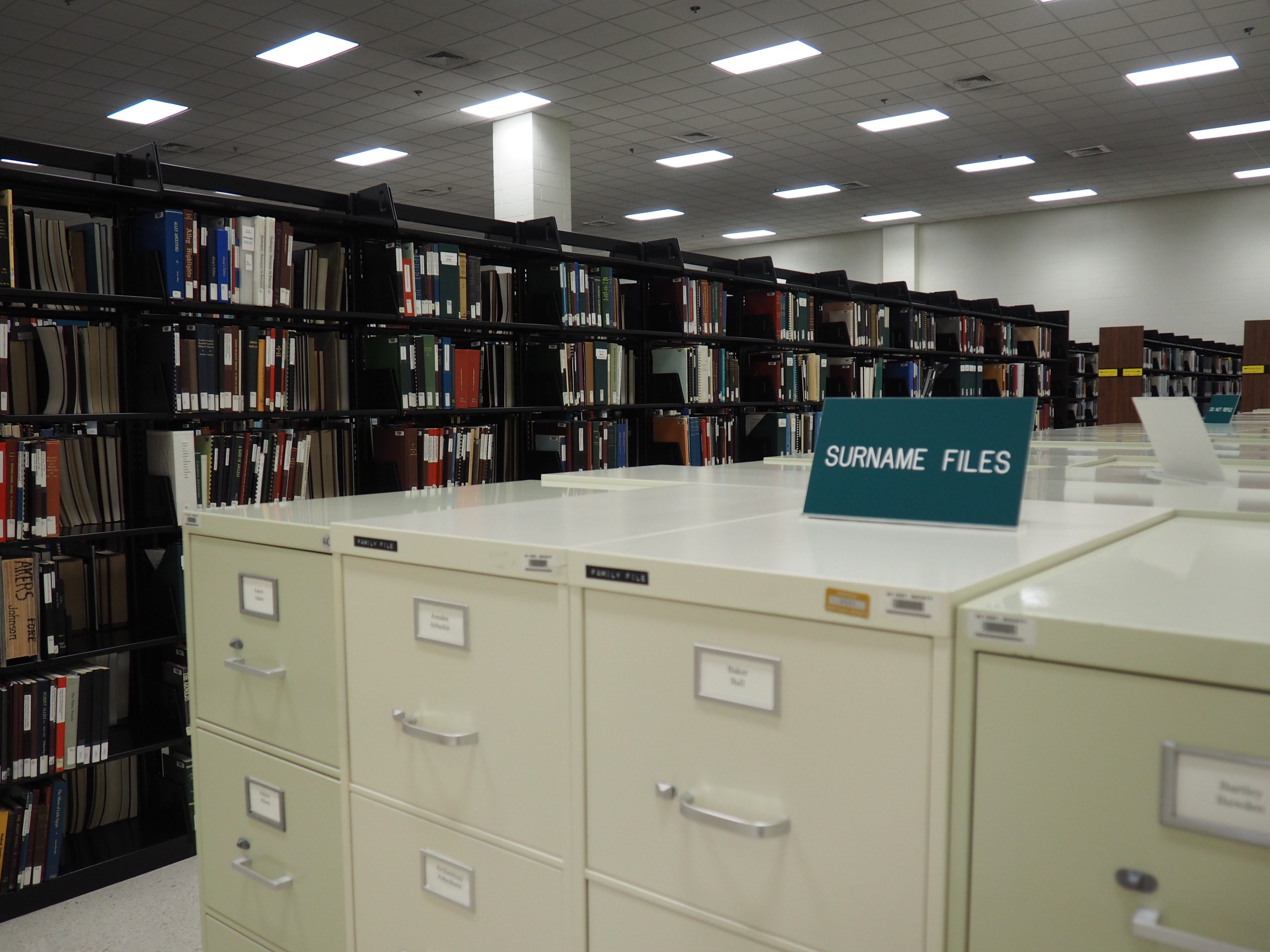
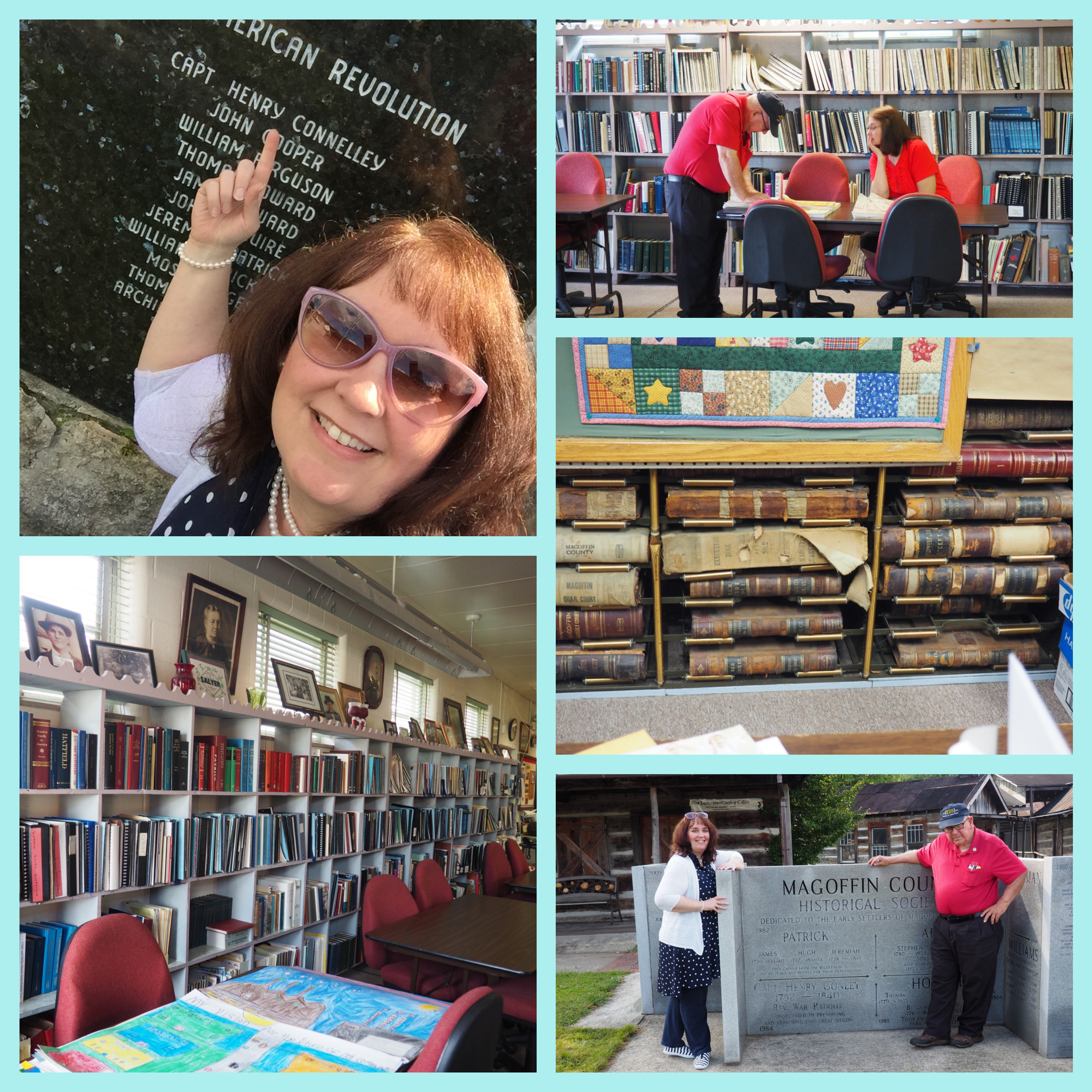 In short – always think of research as a multi-dimensional process. We are fortunate enough to have wonderful records at the tip of our fingers via super digitization efforts of many – but our research should NEVER stop there! Our storehouses of history contain the family records we need: Bible records, genealogy research files, correspondence, diaries, photos, school and Church records, etc. A fundamental principle of the